Talk with Aspire about pricing, profit margins, and what your jobs really cost
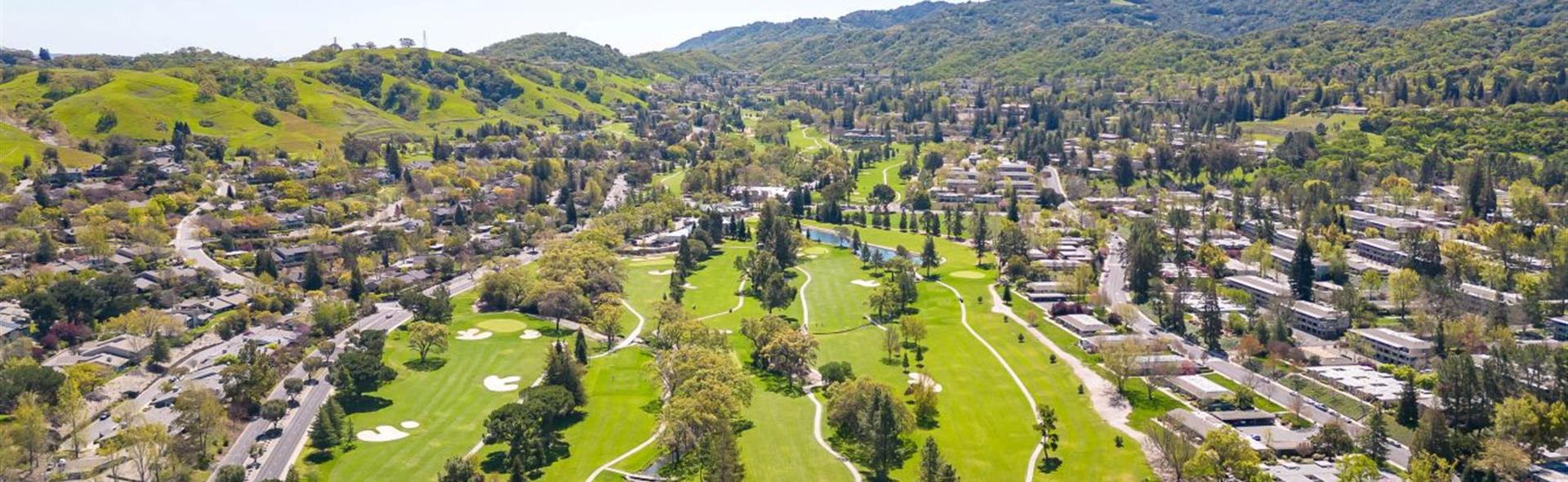

Building in the Diablo Valley means working to a standard that clients here notice and pay for, whole-home remodels in Walnut Creek and Alamo, hillside additions through Lafayette, Orinda, and Moraga, kitchens in Concord and Pleasant Hill that run well past what the same job costs almost anywhere else in the country.
The Aspire Institute for Contractors is a construction business coaching company that works exclusively with residential remodelers and custom home builders, serving Walnut Creek and Contra Costa County. The largest return on an owner's time is almost never another hour in the field, it's the hours spent working on the business itself. That's what Aspire's construction business coaching is built around, and it runs as a two-year engagement called the Business Mastery Program. The one-day "Where GC Profit Actually Comes From" workshop is where most owners start.

Our Gurantee
If the day isn't worth what you paid, you get your money back.
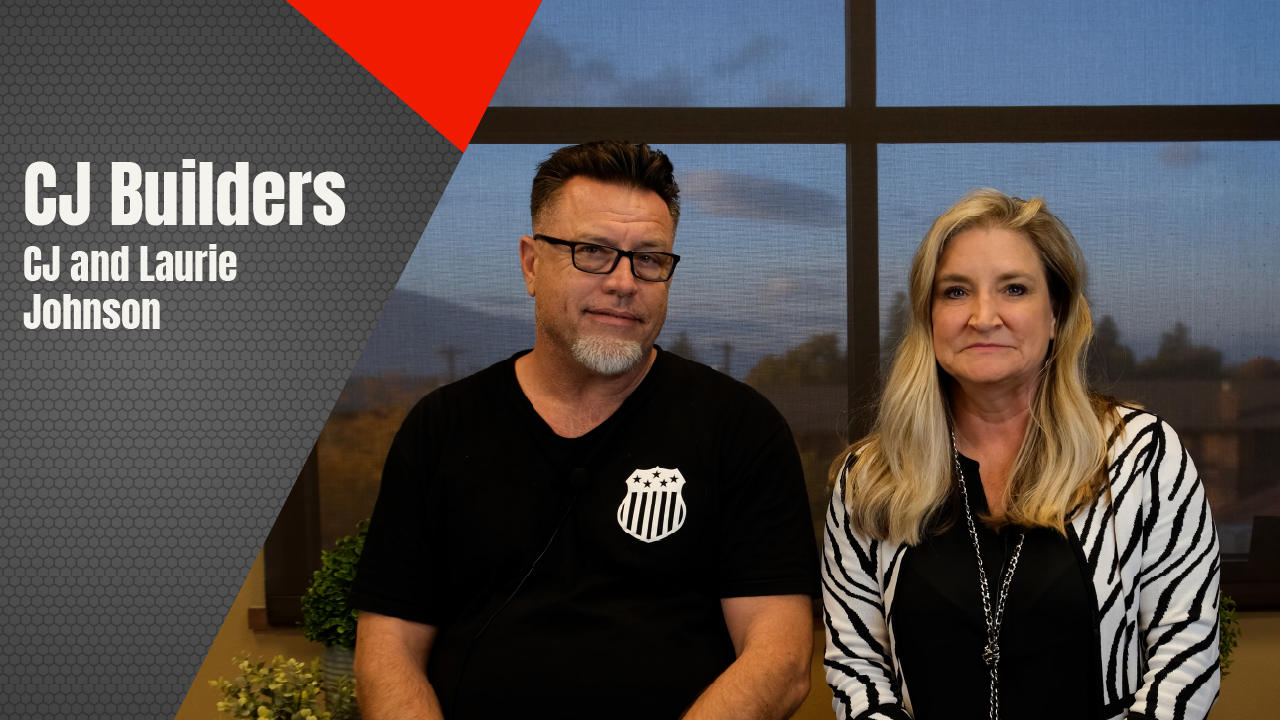
Business coaching invites skepticism, and it should. These are Aspire clients from the Bay Area talking about their own companies, what wasn't working, what they changed, and what it did to the numbers. No script.
Most owners who call Aspire aren't in trouble. They're busy, well-regarded, and quietly frustrated that the money doesn't reflect either one.
Most estimates are built from materials, subs, and an hourly rate that's roughly what the crew gets paid. The real number includes payroll taxes, workers comp, benefits, vehicles, tools, drive time, and the hours that never make it onto a timecard. In a market where labor costs among the highest in the country, the gap between the rate an owner uses and the rate a position actually costs is rarely small, and it repeats on every line of every bid.
The typical owner walking into an Aspire workshop is running about 1.59% net profit. The national average for general contractors is 2.4%. Neither reflects what it costs to carry the risk. Working out the true cost of production, by position and by job type rather than as one blended guess, is the first thing the one-day workshop addresses.
Matrix pricing gives a structure for pricing different kinds of work off real cost rather than a single markup applied to everything.
The Diablo Valley and Lamorinda generate a wide spread of work, a $45,000 bath remodel and a $700,000 whole-home renovation come in through the same phone. When the pipeline feels thin, owners take both. The small ones consume the same estimating time, the same project management attention, and the same owner hours as the large ones, at a fraction of the gross profit.
The math on this surprises people: one Aspire client went from fifty-seven jobs a year to twelve projects and made more money with far less chaos. The workshop is where owners look at their own job mix and see which categories have been carrying the business and which have been quietly funded by it.
The Road Map tracks the metric most owners have never calculated, gross profit per owner hour worked. Below a certain figure, a business has no capacity left to absorb a change, which is exactly when a change arrives.
A Walnut Creek contractor's service radius covers Walnut Creek, Lafayette, Orinda, Moraga, Concord, and Pleasant Hill as separate incorporated cities with their own building departments and plan check schedules, plus unincorporated Contra Costa County for Alamo and the surrounding areas. Permit fees here are calculated as a percentage of project valuation using standardized cost tables that tend to run high, and a submittal returned for corrections adds weeks to a schedule that's already committed.
Almost none of that lands in a bid. It shows up as overhead, as staff time, as delay, as a crew reshuffled to another job while a permit sits. Understanding what overhead actually includes and what a healthy percentage looks like is part of the workshop, because unrecovered overhead is one of the most common places profit disappears without anyone noticing.
The follow-through is the Road Map. The Road Map is a written analysis of a construction business that The Aspire Institute for Contractors builds from financials submitted privately after the workshop, then walks through with the owner one-on-one. It shows what the business is earning, where margin is leaving, how hard the owner is working per dollar of gross profit, and what a realistic target looks like. Built to your numbers, not a sample, not a template, and not assembled in the room.
The workshop costs $349 and carries the written 3–5% net profit guarantee.

One builder came to The Aspire Institute for Contractors running fifty-seven jobs a year and barely breaking even. Inside the program that became twelve projects, better fit, more money at the end of the year, and considerably less chaos getting there. Another arrived with a P&L in the red and worked back to roughly thirty percent gross profit.
Across Aspire's clients, 86% increased their net worth within the first twelve months, average owner workload dropped 51%, and clients have added more than $618 million in profit.
The Business Mastery Program is Aspire's two-year coaching engagement, covering pricing, estimating, job costing, cash flow, production, marketing, and hiring, using construction-specific tools and a plan built around each owner's business and goals. It is guaranteed in writing to increase profitability by more than double its cost. Aspire works only with residential remodelers and custom home builders, that's the entire client base, and it's why the material fits.