Talk with Aspire about profit margins, cash flow, and long-term business growth.


Talk with Aspire about profit margins, cash flow, and long-term business growth.
You built something real in Chicago. Whether the work has been Lincoln Park brownstones, Oak Park additions, North Shore custom homes, or full remodels across the western suburbs, your reputation, crews, and standards took years to build.
Average construction profit margins are too low for the level of risk, labor, and operational complexity residential remodelers and custom home builders take on every day. Thin contractor profit margins, inconsistent construction company cash flow, underpriced work, and poor visibility into true production costs are common problems for builders across Chicagoland. Aspire for Contractors helps Residential Remodelers and Custom Home builders improve profitability through stronger pricing systems, financial visibility, operational refinement, and better cash-flow management.
The one-day “Where GC Profit Actually Comes From” workshop is contractor-specific financial and operational education focused on improving construction profit margins. The workshop covers profit leaks, job-costing visibility, gross-profit management, pricing accuracy, construction-company cash flow, and the operational systems profitable contractors use to protect margins and improve long-term financial performance. If you do not want to wait for the next Chicago workshop, you can schedule a strategy session with Aspire any time for financial insight tailored to your business.
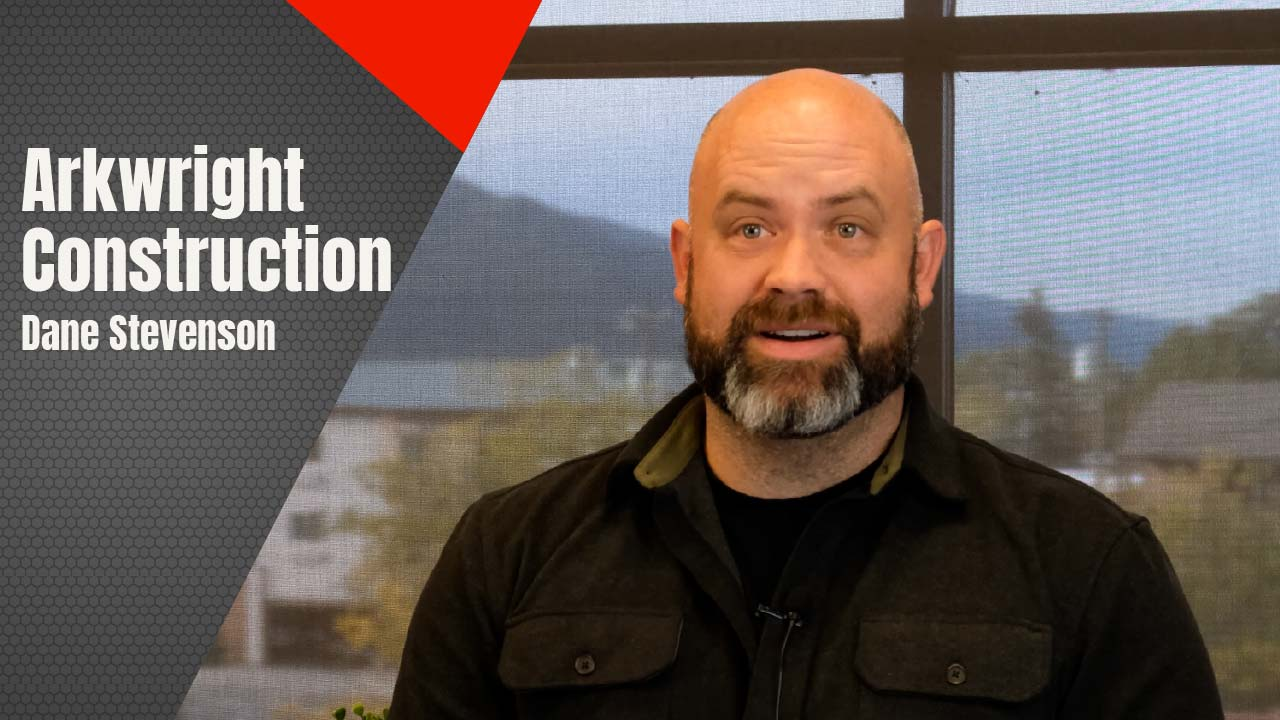
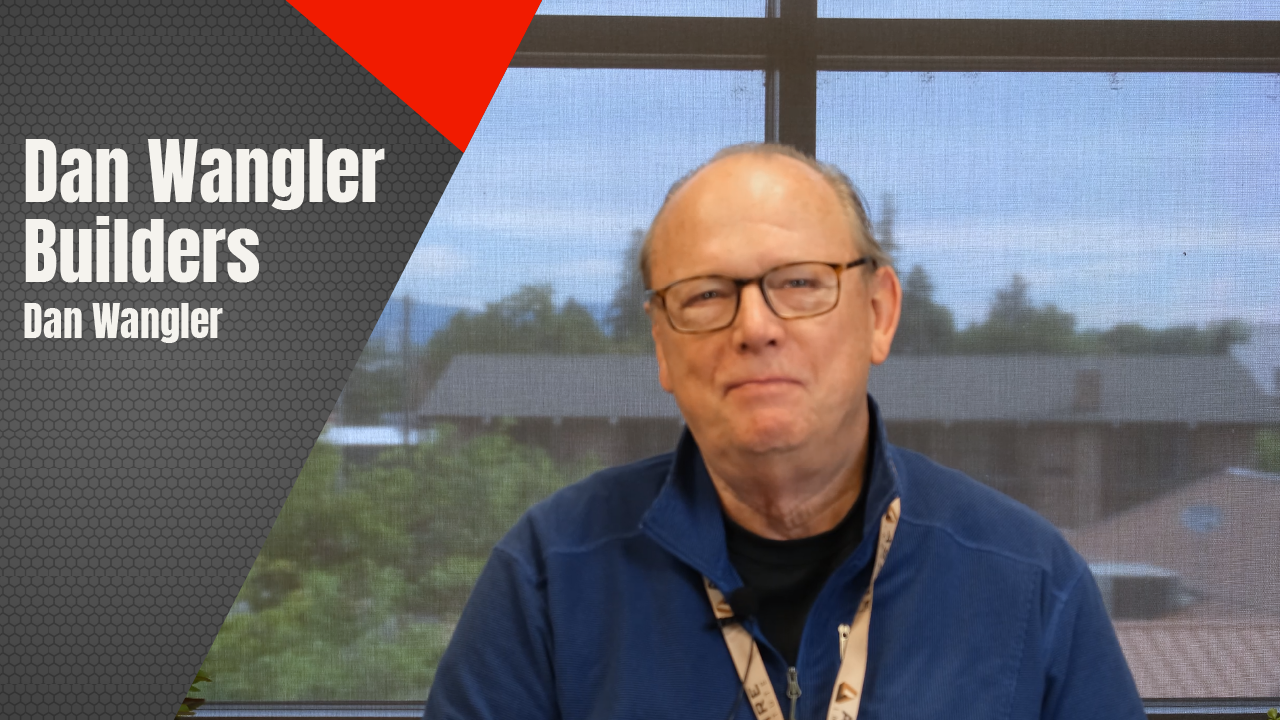
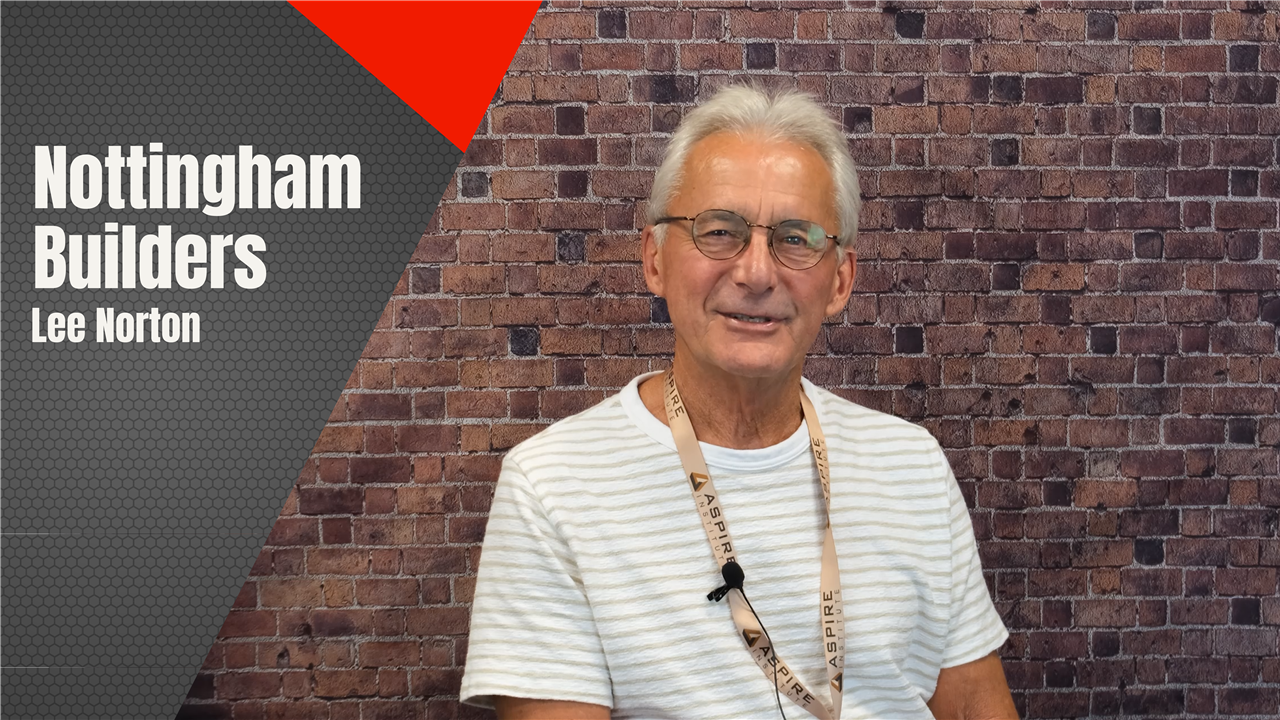
Real remodelers and custom home builders who came to a one-day workshop or joined the Business Mastery Program. They share what changed once the numbers started running differently.

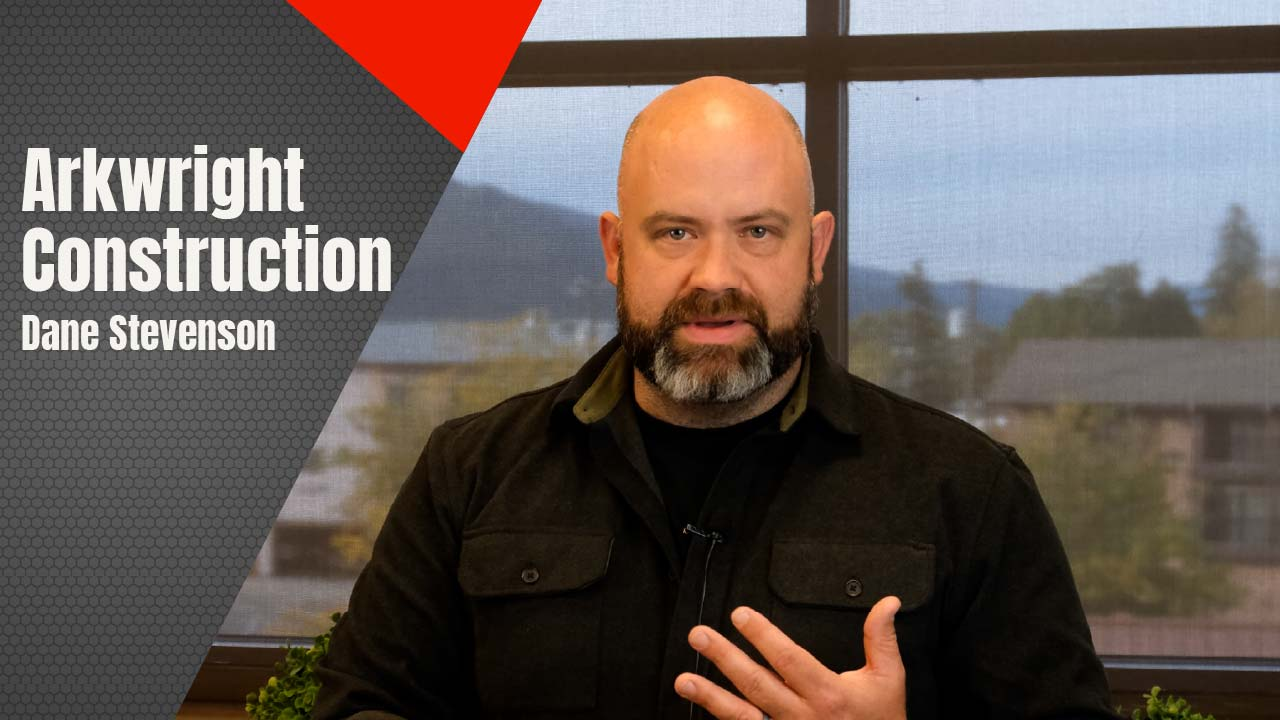
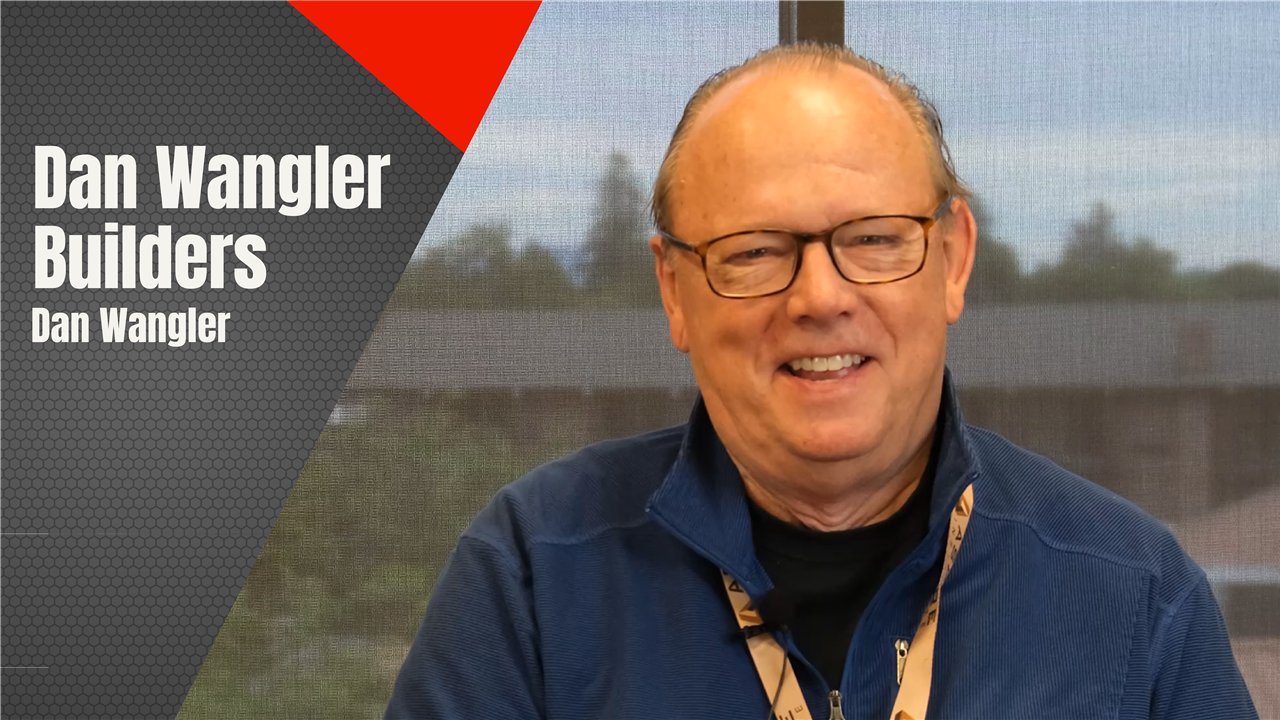

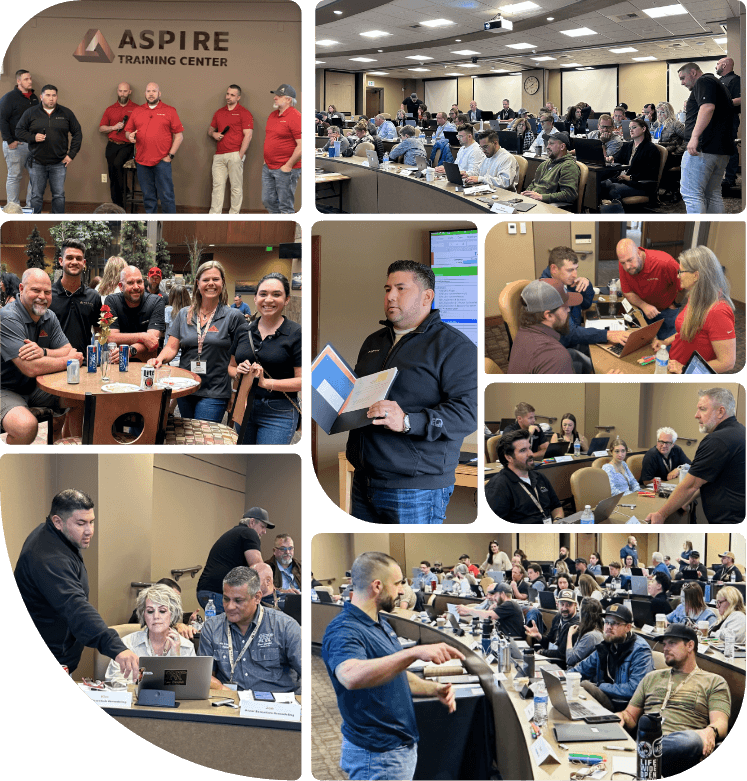
"Where GC Profit Actually Comes From" is a one-day, in-person workshop for residential remodelers and custom home builders. It covers markup vs. margin, the true cost of production, job mix, and how to read a construction business by the numbers, applied to a Chicago job mix that runs from city brownstone remodels to North Shore and suburban custom builds. You leave with a working understanding of where your profit comes from and where it's leaking.
In the week after the workshop, you sit down one-on-one with Aspire to build your Road Map, a custom document built around your revenue target, the job mix and margins required to hit it, and your overhead structure. It's built to your numbers, not a template, and it accounts for the Chicago season so the plan still holds when the schedule thins in February. You leave with a written plan, not a worksheet.
The Business Mastery Program is Aspire's two-year coaching partnership for owners ready to move past one workshop's worth of changes. Working with you and your management team, Aspire installs the financial and operational systems that protect profit, cash flow, hiring, and long-term planning through Chicago's busy stretch and its slow one alike. It's guaranteed in writing to increase profitability by more than double its cost.
Chicago runs in seasons. Late spring through fall fills the schedule across the city, the North Shore, and the western suburbs, then January hits, the schedule thins, and overhead drains the account while crews wait on the next start. Your P&L can show a profit while the operating balance is uncomfortably thin by February.
At the workshop, you'll learn to look five to eight months ahead at your business's cash position, not just what the P&L said happened last year.
The cash flow tools used at Aspire are built around your actual project pipeline and your specific overhead, not a generic template. The slow season becomes something you plan for, instead of something that sneaks up on you every year.
Most Chicago remodelers and builders price labor off a base hourly rate plus a percentage. The number on the estimate is rarely the number a crew costs once taxes, insurance, workers' comp, benefits, vehicles, and unproductive hours get layered in. By the time the job closes, the labor comes in heavier than estimated, showing up as a missing chunk of margin.
At the workshop, you'll see how to build a fully loaded labor rate for every position in your company, what taxes, insurance, benefits, and unproductive hours actually add to a base wage.
The Labor Burden Calculator used at Aspire ties labor cost to a real payroll structure, not a generic rule of thumb. From that point forward, every estimate prices the crew you actually have.
A 20% markup feels like it should produce a 20% return. It does not. It produces about 16.7%. For most contractors, the issue is not just net profit; it is gross profit margin. If the business is not keeping enough gross profit after production costs, overhead, and owner profit get squeezed, no matter how much revenue comes in.
At the workshop, you will see exactly how markup and margin produce different bottom-line results, and how to price work so the margin you are estimating for is the margin you actually get.
The workshop shows you how to close the gap between what the estimate said and what you are keeping at the end of the job. Pricing decisions stop being a hope and become a calculation tied to your specific overhead and target profit.
Chicago has range: small bath remodels, full-gut city brownstones, additions across Naperville and Oak Park. When the schedule is hungry, every job looks good. Some of those jobs are profitable. Some are quietly carrying water for the others. Without a clear view of which jobs are pulling weight and which are draining profit, the busiest year and the most profitable year are not the same.
At the workshop, you will see how to look at your job mix and identify which job types are producing the margin you need, and which ones are quietly costing you to keep around.
Margin targets are set against your specific business model and the work available in the Chicago market. The point is not to chase volume, it is to chase the right volume for the way your business is built.
Every attendee leaves with a different document because each business model and owner's goals differ. The Road Map is a custom planning document built around your numbers, your profit goals, your job mix, and the margins each job type needs to hit to get you there. The Labor Burden Calculator is a tool that builds a fully loaded labor rate for every position in your company, accounting for taxes, insurance, benefits, unproductive time, and the actual cost of having that person on the payroll.
|
|
Attending the workshop starts a conversation, not a commitment. The Road Map is yours regardless of what comes next.
Remodelers and home builders who work with Aspire for Contractors describe the same shift in their own words: they stopped chasing revenue and started keeping more of what they earned. Across the client base, 82% of owners increased their net worth within their first twelve months, the average workload dropped by 46%, and the program has added more than $534M in annual profit to clients. The Business Mastery Program is a two-year coaching partnership for owners ready to move past one workshop's worth of changes, built around your specific numbers, your team, and the long-term direction you want the business to go.
We work only with residential remodelers and custom home builders; one call tells you whether the next step makes sense.
When you work with Aspire for Contractors, you get more than a coach on a call. Every coach on our team is in-house and US-based, and has spent real time in the construction business. The coaching program starts with what you want the business to do.
Construction Profit Margins: The share of every dollar you keep after production costs and overhead; Aspire builds a margin framework around your job types so the margin you estimate is the one that closes.
Estimating Accuracy: The gap between what you bid and what the job actually costs; Aspire finds where the numbers slip before the bid goes out and prices to what the work really costs.
Labor Burden Tracking: An employee's true cost, wage plus taxes, benefits, insurance, and unbillable time; the Labor Burden Calculator builds a loaded rate for every person on your crew.
Overhead Recovery: Making sure every fixed cost (office, insurance, vehicles, admin) is priced into each job; Aspire sets a healthy overhead percentage for your business so it stops coming out of margin.
Operational Systems: The repeatable processes (scheduling, crew management, field-to-office communication) that quietly cost you when they're missing; Aspire builds them around how your business actually runs.
Business Strategy for Remodelers and Home Builders: Choosing the work you want instead of reacting to whatever comes in; the Business Mastery Program builds that plan with the Aspire Intelligence System™ and a written guarantee to more than double its cost in profitability.